Manifesto

Existing PDF editionEnglish · PDF · 0.55 MB

Rebuilding the World Health Organization Together

DR. HANS KLUGE Candidate for the position of WHO Director-General (2027–2032)

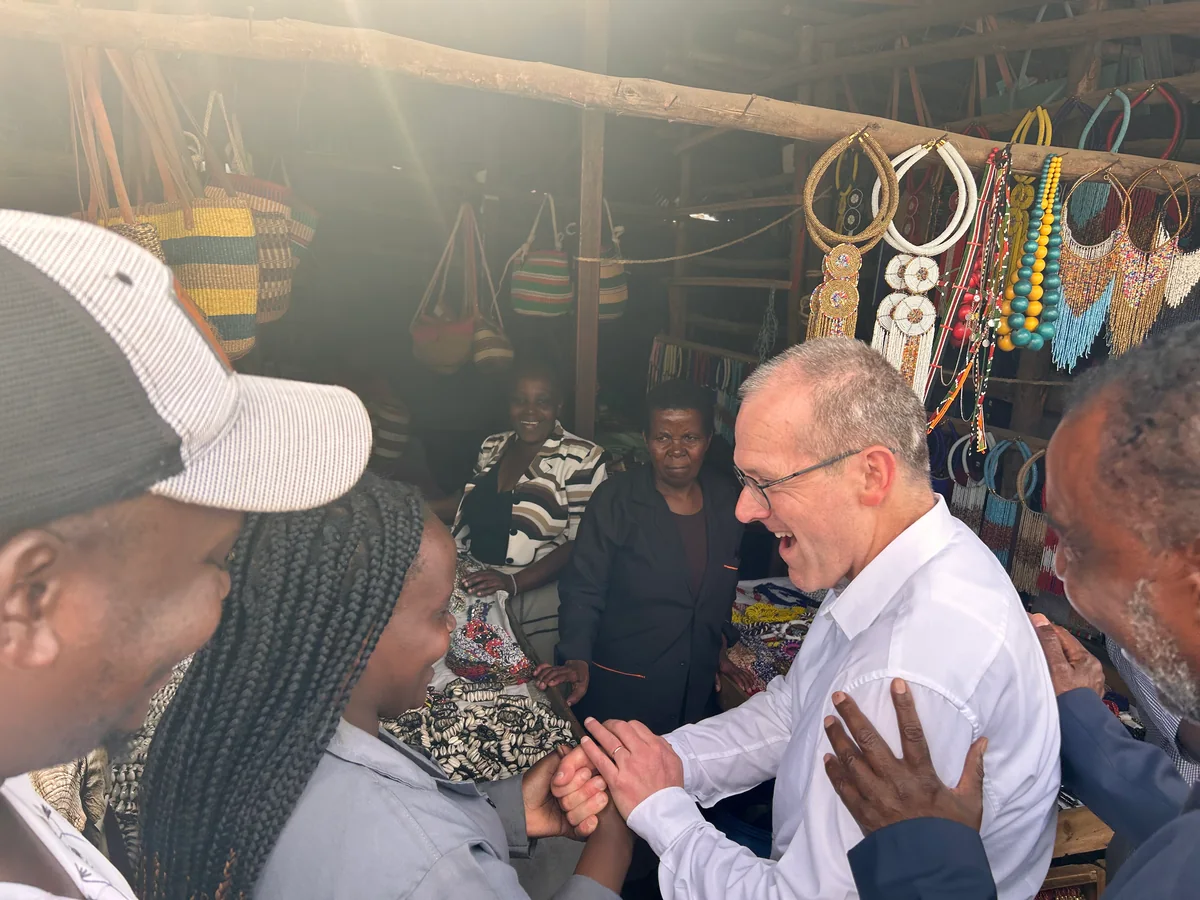
Dr Kluge speaking with people during a visit to Nairobi in 2026.
Nairobi 2026 @Huseynov

THE VISION

My vision is to rebuild WHO, together with the Member States, into a 21st century organization that better serves all countries and their people.

An organization with modern governance, sustainable financing and a networked ONE WHO (One World Health Organization), an employer of choice in global health and a centre of excellence in evidence-based policy guidance and country support.

Always one step ahead of global health challenges.

Always in partnership.

Why Rebuilding WHO Together?

I am WHO’s biggest advocate, yet also its most candid critic.

WHO’s legacy, scientific authority, global reach and convening power are unmatched in improving health and bringing countries together around shared solutions.

But WHO is often overstretched, under-focused, overly bureaucratic, with rising inefficiencies, fragmented financing and complex governance. This must change.

In a multipolar world facing increased tension, a rebuilt WHO is needed to help keep health above politics. WHO’s focus must remain health for everyone, everywhere, with real health outcomes that people can see in their daily lives. A rebuilt WHO shall bring all countries and global health stakeholders together around the same table.

Rebuilding WHO is essential to reducing fragmentation and strengthening coherence across the global health architecture.

I know that rebuilding WHO is ambitious. But I also know that it is achievable, because I have led organizational transformation before.

Frank Vandenbroucke

Deputy Prime Minister and Minister of Social Affairs and Public Health of Belgium

As Minister of Health, I know that no country can protect the health of its people alone. We depend on a strong WHO for trusted science, common standards, early warning and coordinated action.

Hans began his medical career as a family doctor in Belgium, close to patients and the everyday realities of care — a perspective he has carried throughout his career.

Across four continents, often in difficult settings and even when donors withdrew, Hans brought partners together to mobilize funding and keep essential health programmes running. As Regional Director, he brought WHO closer to countries and led the European Region through COVID-19 and successive health emergencies, while keeping 53 diverse Member States united.

That record matters because Universal Health Coverage is social justice made concrete: strong primary health care, valued health workers, effective prevention, financial protection and particular attention to those whom health systems too often fail to reach. WHO needs a leader who can turn solidarity into institutions and evidence into results. Hans has shown that he can.

Why Me?

A frontline leader – going where few have gone before

I am a family doctor. Raised by a father who was a surgeon and a mother who was a nurse, I learned one simple principle: every patient must be treated with equal dignity, regardless of background, belief, or circumstance. Social justice has guided my entire career. I have carried the Hippocratic Oath into the most challenging settings at the frontlines across four WHO regions of the world, including conflict zones, humanitarian crises and fragile health systems. My formative years as doctor were in Africa: in Somalia (in the children and TB wards) and Liberia (as a district medical doctor). I then went to work on TB control in the prisons of Siberia, followed by 5 years frontline work in Myanmar with missions to Thailand and Democratic People’s Republic of Korea.

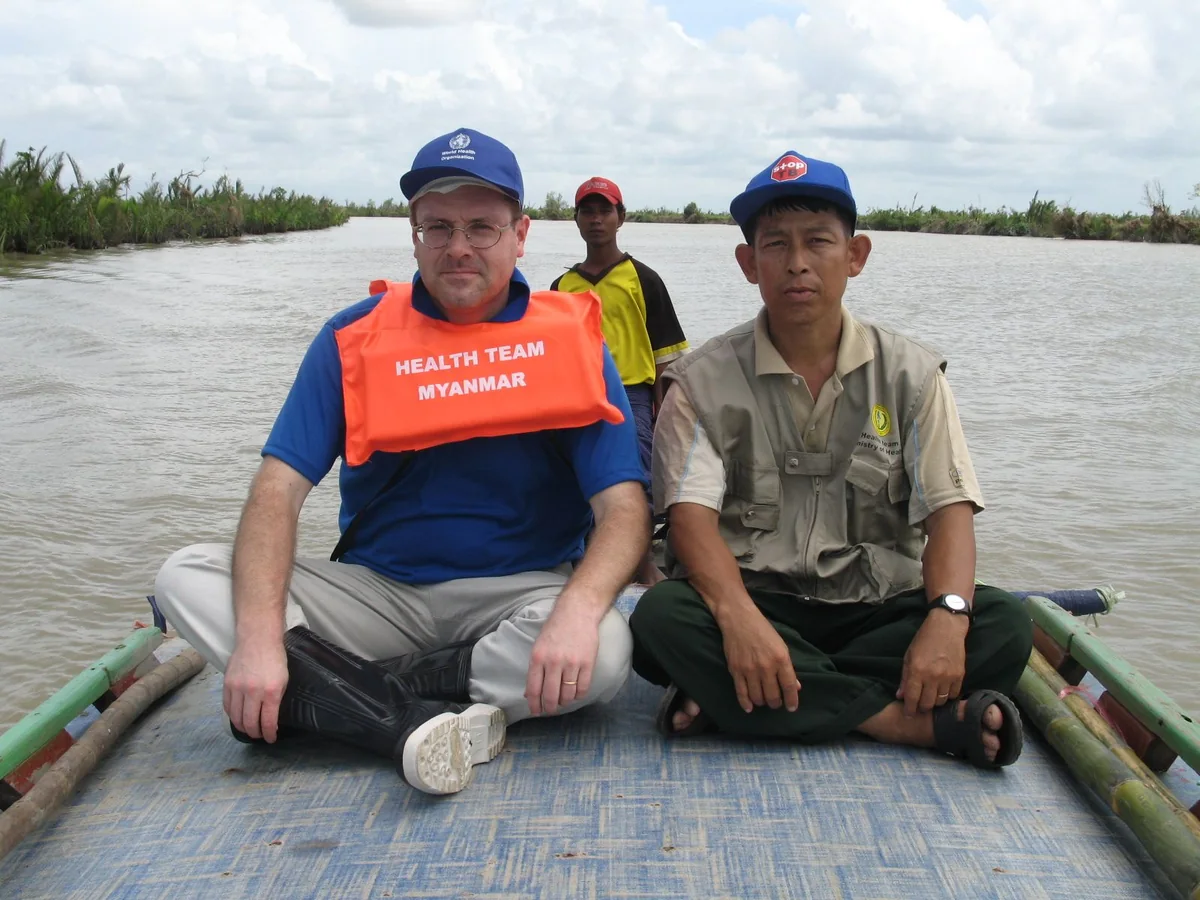
Health team in a small boat during the response to Cyclone Nargis in Myanmar, 2008.
MOH Myanmar/WHO Health team Cyclone Nargis 2008 @MOH Myanmar

A bridge builder in a divided world

I have shown that leadership built on trust can bring people together around health, even across geopolitical divides. My unanimous re-election in 2024 as WHO Regional Director reflects this approach: to keep health above politics, to communicate with clarity, and to build partnerships that respect national health priorities and sovereignty. I speak English, Dutch, French, German and Russian, which allows me to engage directly with leaders, health professionals and communities across diverse contexts.

I have supported high-stakes humanitarian operations, such as the medical evacuation of more than 1,000 critically ill and injured children from Gaza for life-saving care. In Myanmar, during a period of political isolation, I forged ties with resource partners to create a US$100 million disease fund to protect the most vulnerable. I continue to rally global support for Ukraine and its heroic health workforce.

A reformer who knows WHO from within

During my term as Regional Director, I worked with Member States and staff to build WHO/Europe of the Future: scientifically strong, financially sustainable and politically neutral. My approach was pragmatic, with a relentless results-oriented focus on areas where only WHO, hand in hand with the Member States and partners, adds unique value. I modernised governance, professionalised resource mobilisation and reduced administrative barriers. I positioned the responsible use of artificial intelligence at the heart of WHO/Europe’s transformation, developing practical tools that benefit both countries and WHO globally.

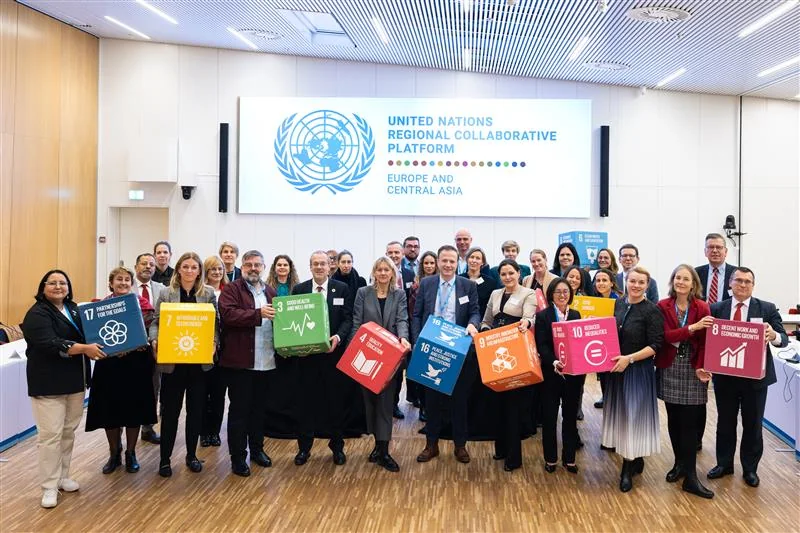
Through the UN80 Initiative, I convened United Nations’ regional leaders to reduce duplication and advance the Sustainable Development Goals.

These reforms strengthened WHO/ Europe’s ability to guide countries through successive crises — from the health impact of the European debt crisis over COVID-19, wars, misinformation, mpox and polio to today’s funding challenges.

Participants at the 2024 retreat of UN heads from Europe and Central Asia hosted by WHO Europe.
Retreat of UN Heads from Europe and Central Asia hosted by WHO Europe 2024 @ WHO

Bart De Wever

Prime Minister of Belgium

Hans Kluge trained as a tropical medicine doctor in Antwerp and spent the early part of his career where the work is hardest: treating tuberculosis in prisons, building health systems in fragile states. As WHO Regional Director for Europe he took office just a few weeks before the first COVID cases reached the continent, and he has led that office ever since — through the pandemic and the emergency medical response it demanded.

Field experience combined with a talent for organisation is rare, and it is exactly what the World Health Organization needs now. The Belgian Government supports his candidacy without reservation. He has spent thirty years earning the trust of ministers and nursing staff alike. For him, international cooperation is the result of a patient and principled effort, built long before any crisis breaks out.

That is the kind of leadership our times demand. Global health needs someone who has done the work, keeps his word, and remembers that all of it comes down to one patient at a time.

How Will We Rebuild WHO?

MODERN GOVERNANCE

I welcome the Member-State-led governance reform pilot already under way and will build on the momentum created through recent Executive Board discussions. If elected Director-General, in my first months, I will call together the Executive Board and Regional Directors to review how our WHO governing bodies work in practice, ensuring that governance remains strategic, efficient and focused on impact rather than process. I will pay particular attention to the voices of low-income, resource-constrained, fragile and small island states, whose participation is essential to equitable global governance.

I know from experience that governance reform works, because I have led it. I have seen first-hand the value of participatory governance. By engaging Member States early on in the process, by listening carefully to their concerns, and by involving them in shaping solutions, we built greater transparency, stronger accountability and, above all, trust. That experience convinced me that successful reform depends as much on relationships as on rules.

As Director-General, I will champion a governance culture based on trust, transparency and shared responsibility.

I want Member States to see themselves not only as governors of WHO, but also as active partners in setting priorities, managing expectations and ensuring that the Organization can deliver measurable results for the people it serves.

SUSTAINABLE FINANCING

There is no magic bullet.

If elected, I will safeguard WHO’s independence and scientific integrity in every funding relationship. Building on the historical achievements of the Sustainable Financing Working Group, I will establish a time-limited independent expert group to identify practical options for strengthening WHO’s resource model.

Sustainable financing requires getting both sides of the equation right: how WHO is financed and how it operates.

On financing, I will work tirelessly with Member States to implement the agreed increase in assessed contributions. I will continue to mobilise flexible and predictable voluntary contributions, aiming for greater alignment with agreed Member State priorities.

On operations, I will lead a bold but responsible digital transformation of WHO’s administration and I will cut duplication between WHO headquarters, regional and country offices. I will consider delivering the programme of work at lower overhead costs. I will rebalance resources towards country offices and regions while maintaining a nimble headquarters with strong core normative capability.

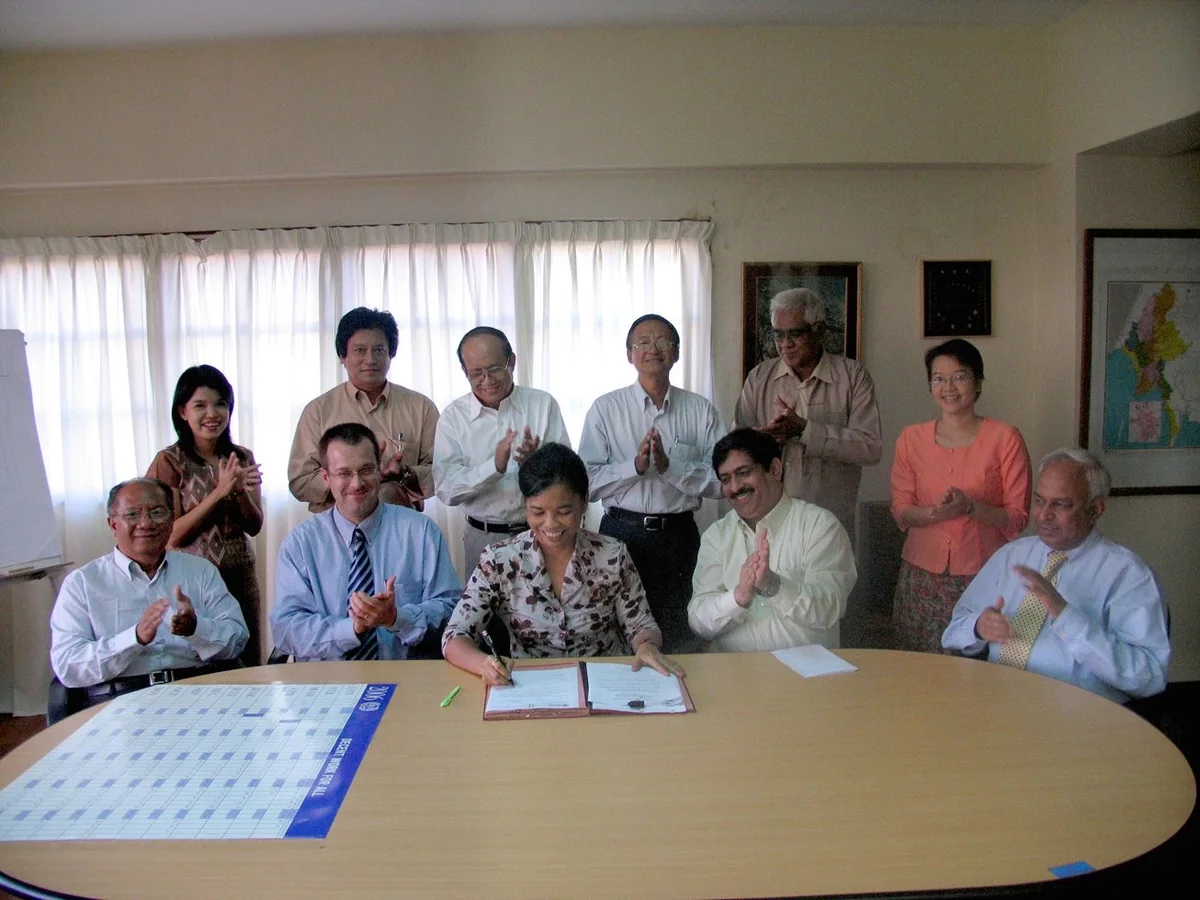
Participants at the Three Diseases Fund grant-signing ceremony in Myanmar, 2006.
3 Diseases Fund grant signing ceremony 2006 @WHO Myanmar

Poonam Khetrapal Singh

First female WHO Regional Director for South-East Asia Region; former Senior Advisor to the WHO Director-General on Traditional Medicine (India)

Dr Kluge’s co-creation of the US$100 million Three Diseases Fund while working in WHO country office Myanmar stands out as a testament to his ability to bring people together around a shared purpose. At a time of immense uncertainty, he helped forge an innovative partnership that ensured millions of people continued to receive essential services for HIV/ AIDS, tuberculosis, and malaria. His regional technical support further demonstrated his ability to find solutions where others saw obstacles.

A NETWORKED “ONE WHO”

I will champion three fundamental shifts in how WHO works.

From institution-centred to country-first. I will organize WHO around country priorities rather than institutional silos, legacy structures or funding streams. Countries should experience one WHO, not several seemingly disconnected institutions. I will invest in WHO staff who offer clear added value to governments.

From hierarchy to networks. With the engagement of Regional Directors and WHO representatives, I will strengthen interregional collaboration. We will connect countries facing similar challenges across all six WHO regions, making it easier to share expertise and innovative good practices.

From centralized WHO expertise to distributed national excellence. Health expertise is not confined to WHO headquarters or its regional offices. I will leverage the great potential of national expertise by mobilizing the exceptional capacities that exist in each and every country: through national experts in health ministries and other ministries, public health institutions, research and innovation hubs, universities and Collaborating Centres.

From hierarchy to networks.

Sıla Gürbüz

Youth Health Advocate, Emergency Doctor (Türkiye)

At a time when the world feels increasingly complex, especially for young people like me, Dr. Hans Kluge’s leadership has shown what it means to turn understanding into action. Through his Youth4Health network, I’ve engaged directly with ministers and decision-makers — something I once would have found hard to imagine. And as a woman doctor in emergency care, his commitment to ending violence against women and protecting the dignity of health workers, through his Special Initiative on Violence against Women and Girls, reassures me these challenges are recognised as urgent by health leaders. I support Dr. Kluge’s candidacy with deep trust, because his vision has made me believe a healthier, safer, more inclusive future is possible — not only for us, but with us.

Katrín Jakobsdóttir

Former Prime Minister of Iceland, Chair Pan-European Commission on Climate and Health

Hans is an experienced leader with the political acumen and pragmatic approach to engage effectively across all levels of leadership — from heads of state and governments to local authorities to senior health authorities. He has applied this skill to notable effect in advancing the climate and health agenda and elevating the needs and challenges of small and island states, ensuring their voices are heard in global decision making.

A rebuilt WHO will better serve all countries, the Member States of today and the Member States of tomorrow, with particular beneficial outcomes for small countries and island states, and low-income, fragile and conflict-affected countries (Box 1, Box 2, Box 3).

The Hon. Dr. Atonio Rabici Lalabalavu.

Minister for Health and Medical Services, Fiji

Hans is one of the few global leaders who truly centers the realities of small island and developing states in the global health agenda. His drive for climate resilient health systems and his commitment to amplifying island voices reflect a deep grasp of the challenges our communities confront every day. He brings a rare blend of scientific rigour, political acumen and moral clarity to lead WHO into an era where equity, prevention and strong primary health care define global action. Fiji stands for a WHO that listens, delivers and protects those most exposed to global threats — and Hans embodies that vision.

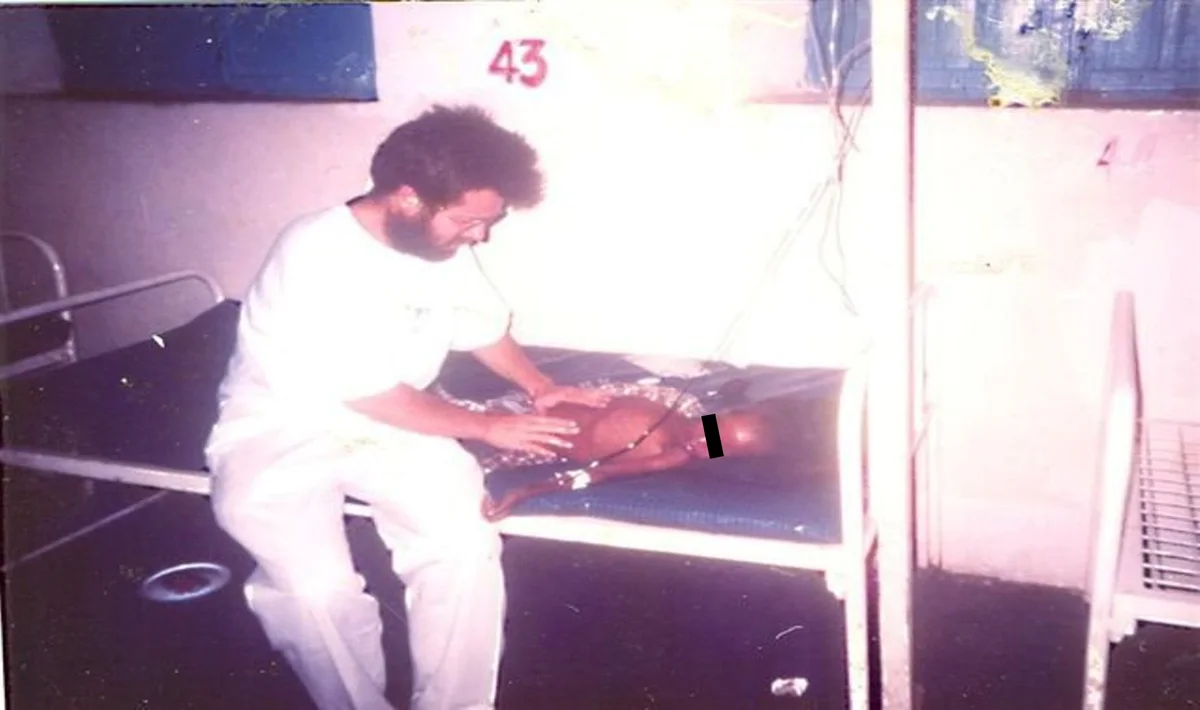
Dr Kluge at Kismayo Hospital, Somalia, in 1995.
Kismayo Hospital, Somalia 1995 @ MSF Belgium
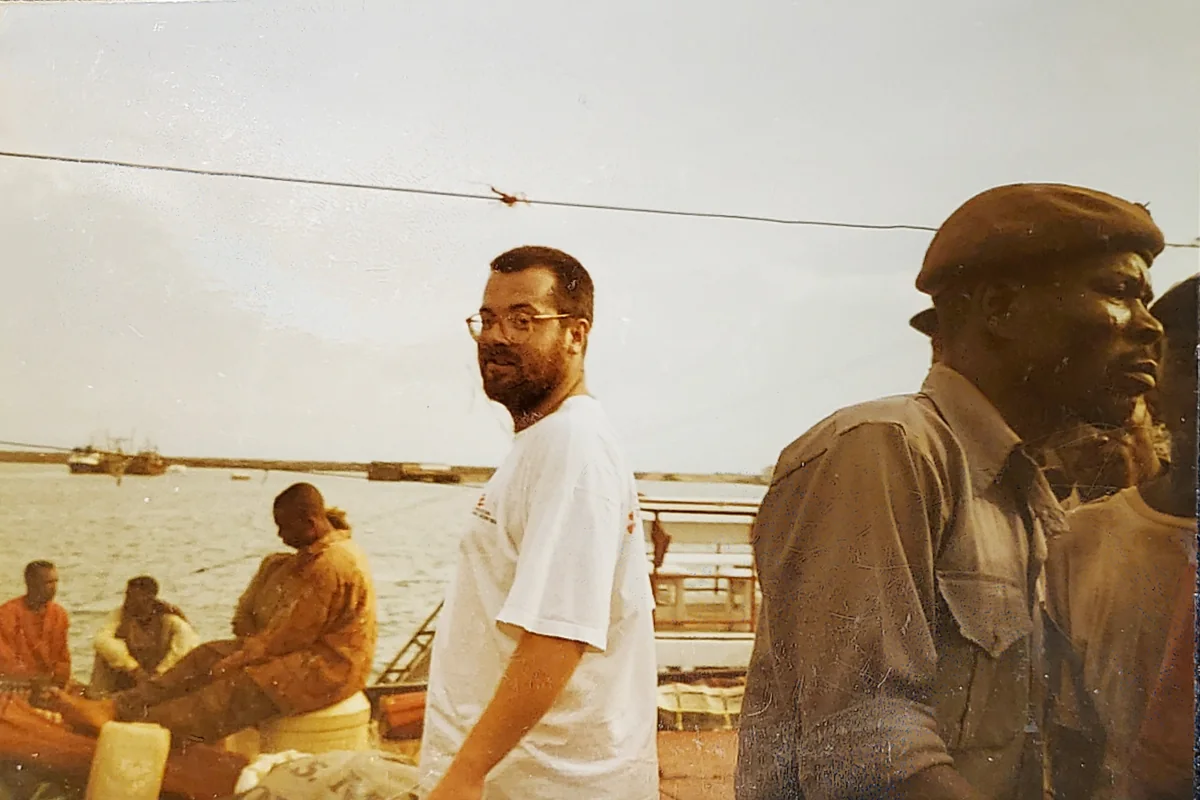
Dr Kluge during the rescue mission for Liberian refugees aboard the Bulk Challenge in 1996.
Rescue mission, Liberian refugees Boat Bulk Challenge 1996 @ AP

Moses Massaquoi Snr. Former Deputy Medical Coordinator, MSF Belgium (Liberia)

As my MSF Belgium Medical Coordinator during the Liberian civil conflict, Hans consistently turned impossible impasses into lifelines, whether defying wartime logistics to resurrect a decade-old mining locomotive for our ‘Train of Hope’ medical mission in Yekepa, Nimba County, or instantly orchestrating a maritime rescue via HF radio when 7,000 of us were sinking aboard the Bulk Challenge in 1996. From the frontlines of active warfare to the highest levels of global health diplomacy, Hans has proven for over three decades that his leadership is measured in lives directly saved. As the WHO looks to its future, it needs a Director-General with this exact brand of relentless innovation, frontline bravery, and decisive crisis management.

WHO: EMPLOYER OF CHOICE IN GLOBAL HEALTH

The day I joined WHO remains one of the proudest moments of my career.

Reflecting on that day, I am reminded that WHO’s greatest strength is, and always will be, its people. Every day, WHO staff choose to serve in some of the world’s most difficult settings, including emergencies, conflict zones and complex situations.

WHO cannot become an organization of the future with a workforce framework designed for the past. I will advocate strongly for adapting the human resources regulatory framework to support people management in the 21st century.

Leading by example, I will uphold the highest standards of integrity and respect, with zero tolerance for harassment, while ensuring a diverse and balanced geographical and gender representation across functions, grades and roles.

I will rejuvenate WHO’s workforce by implementing a mobility requirement, upskilling the current workforce — first and foremost regarding emotional intelligence and artificial intelligence (AI) — and attracting professionals with new skills and from different disciplines, such as the social and behavioral sciences.

Building on the success of our Pan-European Leadership Academy, I will tackle the underrepresentation of certain Member States in WHO’s workforce by developing and attracting early-and mid-career professionals. I will build a strong, credible and empowered leadership team whose members are diverse, regionally representative, and selected on merit.

I will scale the smart and responsible use of AI across the Organization, as I have successfully done at the WHO Regional Office for Europe, always respecting each WHO region’s specificities.

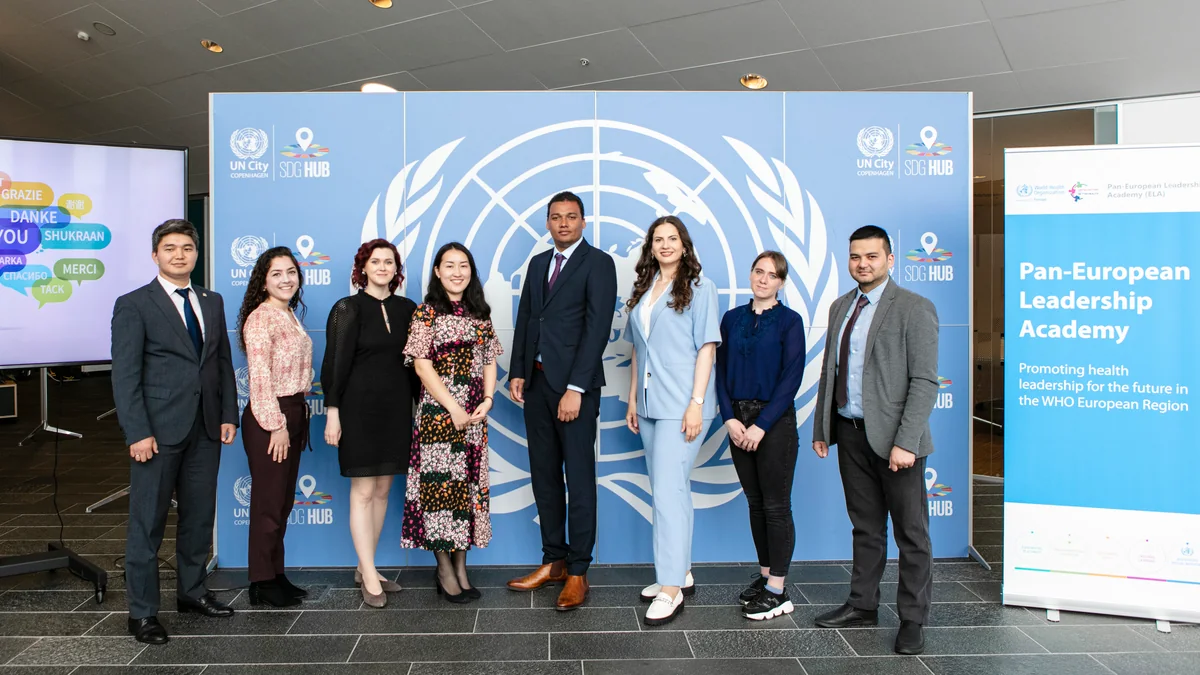
Participants at the Pan-European Leadership Academy, 2022.
Pan-European Leadership Academy 2022 @WHO

Maxime Prévot

Deputy Prime Minister and Minister of Foreign Affairs, European Affairs and Development Cooperation of Belgium

As the UN80 initiative calls on the multilateral system to reform or risk irrelevance, WHO needs a Director-General who has already delivered such reform, not merely promised it. In the WHO European Region, Dr Hans Kluge shifted resources decisively to countries most in need, streamlined governance, and earned unanimous re-election by all Member States. This achievement is testament to his political acumen, diplomatic skill, and rare ability to build consensus across a diverse and complex region. Belgium therefore proposes a global bridge-builder with a proven capacity to engage partners at every level, from communities and civil society to heads of state and government.

RESTORING WHO EXCELLENCE IN EVIDENCE-BASED POLICY ADVICE AND GLOBAL HEALTH DATA

I will fiercely protect the independence of WHO’s scientific work, raise the quality and transparency of WHO’s normative processes, and deliver evidence that is timely, actionable and relevant to every Member State and every person on our planet.

WHO already holds one of the richest health datasets in the world. Yet too many of these data remain fragmented, underused, delayed, or insufficiently translated into actionable intelligence. I will modernise WHO’s data architecture by building a modern digital and data foundation fit for the age of artificial intelligence.

I will harness artificial intelligence responsibly, with security and transparency, to transform how WHO turns evidence and just-in-time data into clear, actionable policy advice that drives impact.

By combining stronger national health information systems with a more agile and analytically powerful WHO, we will create a truly global health-intelligence ecosystem. This will make full use of the data already at hand, to better protect and improve lives everywhere.

This renewed excellence is key to WHO’s commitment to equity and to serving all countries on an equal footing.

What a rebuilt WHO will deliver

Rebuilding WHO is not an end in itself.

It is about better supporting all countries to improve people’s health and well-being. I will focus the work of a rebuilt WHO on four priorities, united by one signature initiative: making primary health care (PHC) the integrated delivery platform.

SIGNATURE INITIATIVE: PHC AS THE INTEGRATED DELIVERY PLATFORM

As we approach the 50th anniversary of the Alma-Ata Declaration in 2028, PHC will be my signature initiative as Director-General. PHC is the lifeline for people who are left behind. PHC is the cornerstone of Universal Health Coverage.

Together with Member States and partners, we will:

  • Support countries to leapfrog the traditional models of prevention and care;
  • Equip a new generation of PHC leaders through executive training programmes;
  • Establish demonstration platforms across all WHO regions;
  • Align support behind country-led national health strategies fit for the post-2030 era;
  • Apply foresight in exploring future scenarios that link PHC to broader development trajectories;
  • Embed social participation in health-related decision-making;
  • Replace fragmented data platforms with a single PHC dashboard;
  • Expand the geographical diversity of WHO collaborating centres.

Kassym-Jomart Tokayev

The President of the Republic of Kazakhstan

Dr Hans Kluge exemplifies the spirit of the Almaty Declaration and its legacy — from Alma-Ata in 1978 to Astana in 2018 — by championing primary health care as the cornerstone of resilient, people-centred systems. His thoughtful leadership brings human meaning to these milestones, turning shared history into practical progress that strengthens trust, equity, and healthier futures for all.

Emblem accompanying the endorsement by President Kassym-Jomart Tokayev.

PRIORITY 1. PROTECT PEOPLE FROM HEALTH THREATS

I will work with countries and partners to strengthen health security by building systems that save lives during crises while sustaining essential health services. This includes strengthening the implementation of the International Health Regulations, supporting Member States as they advance the WHO Pandemic Agreement, ensuring equitable access to vaccines, diagnostics and therapeutics, and expanding regional and local manufacturing capacity.

Together, we will accelerate health action on climate change, recognizing that vulnerable populations, small and island states are disproportionately affected. To me, climate justice is inseparable from social justice. We will strengthen action on antimicrobial resistance and other emerging threats at the human-animal-environment interface through a One Health approach.

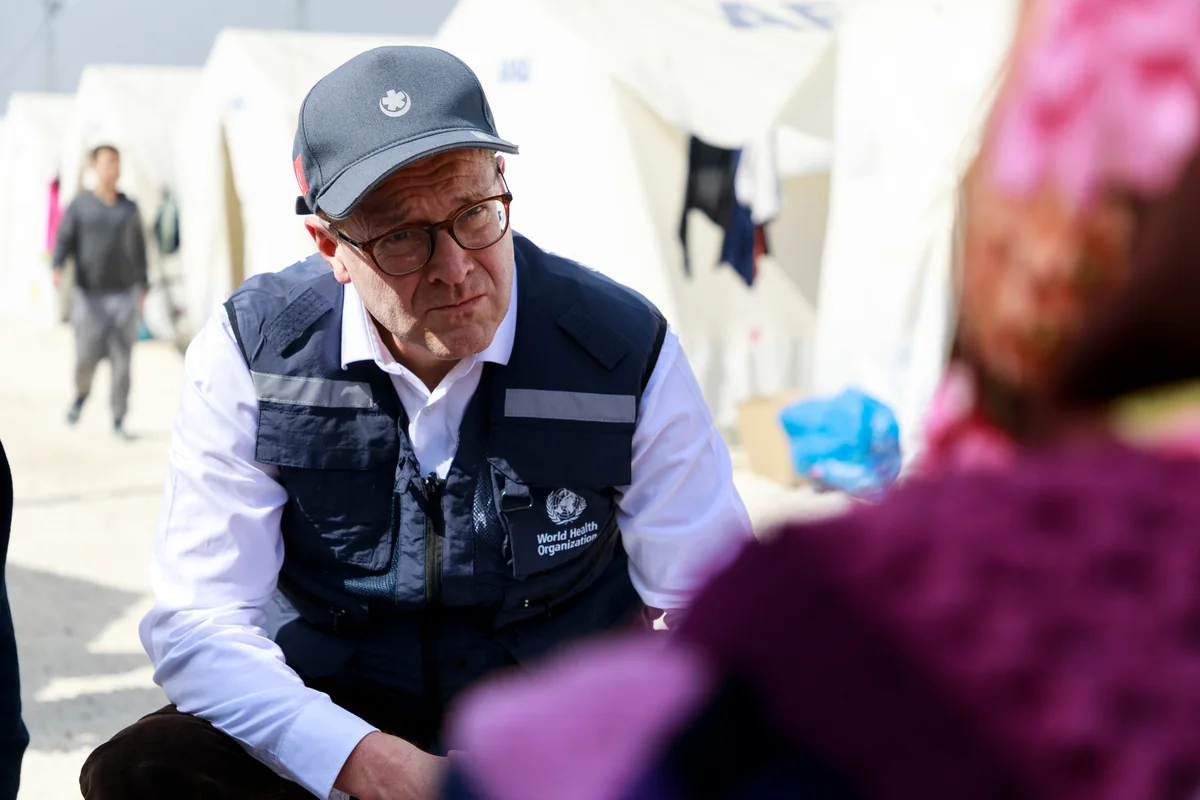
Dr Kluge wearing protective equipment during the 2023 earthquake response in Türkiye and Syria.
Türkiye - Syria earthquake, field visit 2023 @ WHO

Omnia El Omrani

Former Youth Envoy for COP27 President, Director of Programs, Youth Climate Justice Fund, Vice-Chair, Global Climate and Health Alliance (Egypt)

Hans has shown me, again and again, what it looks like when a leader actually believes in the voices and perspectives of the most impacted groups, especially youth. I saw that firsthand through the Pan-European Commission on Climate and Health, where he enabled our recommendations, centred on the hardest-hit cities and communities across the region, to support policy and practice, both at WHO and at the country level. I trust him to bring that same conviction to WHO globally, across every aspect of the role.

PRIORITY 2. ACT ON THE TRIPLE HEALTH AGENDA

Every two minutes, a woman dies during pregnancy or childbirth. The unfinished agenda of maternal and child health and infectious diseases now coexists with the rapidly growing burden of noncommunicable diseases. Together, these three challenges account for around 90% of the global burden of disease.

I will accelerate progress towards the elimination of diseases, including tuberculosis, HIV, malaria and cervical cancer, while ensuring that scientific advances reach the people who need them most. I will elevate neglected public health crises, including mental health and violence against women and children.

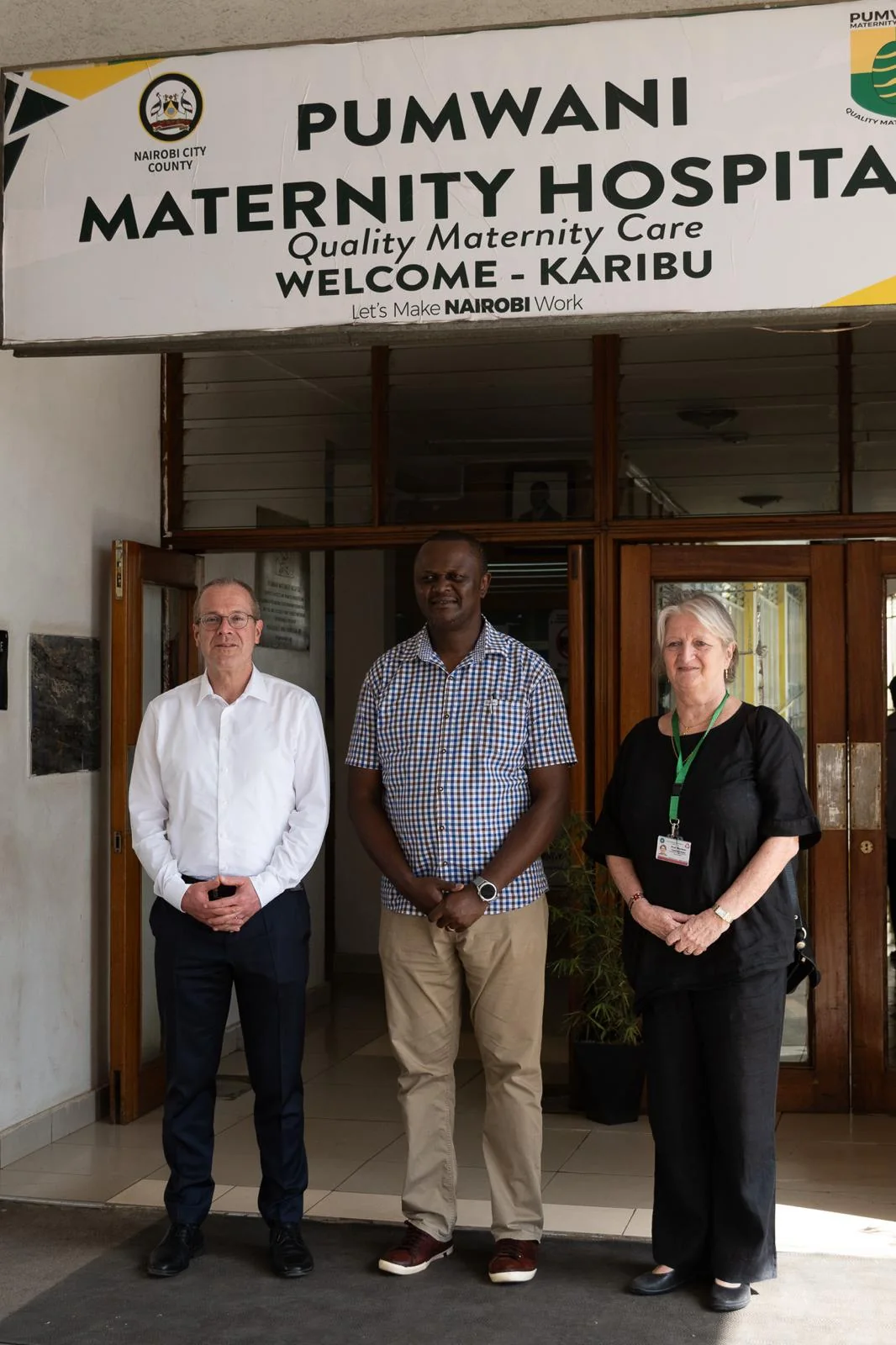
Dr Kluge outside Pumwani Maternity Hospital in Nairobi, Kenya, 2026.
Pumwani Maternity Hospital, Nairobi, Kenya 2026 @ Kaiser

Thandar Hmun

Senior Medical Superintendent (ret.), Aung San Tuberculosis Specialty Hospital, Yangon (Myanmar)

For 5 years I watched Dr. Hans work in Myanmar. Dr. Hans is a master collaborator who bridged the gap between national health programs and international organizations. He initiated with the National TB Programme the first-ever MDR-TB treatment programme in Myanmar and saved so many patients. And when he saw patients’ families sleeping in the MDR-TB wards, he funded a building himself allowing them a safe place to sleep. Technical brilliance is common. This — the vision paired with the humanity — is not. Dr. Hans is the WHO DG the world needs in this divided world.

PRIORITY 3. ADVOCATE FOR PREVENTION AS A CORE ECONOMIC POLICY

Countries spend only about 2–3% of their health expenditure on prevention. I will work with countries to foster the economics of prevention, demonstrate returns on investment, increase investment and integrate prevention into economic, fiscal and development planning.

I will advance a multisectoral approach, strengthening public health institutions to work across sectors, shape healthier public policies and mobilize society around prevention. I will champion a health-literate planet where people and communities are empowered as co-creators of health rather than passive recipients of services.

I will personally continue to lead by example and promote healthy lifestyles.

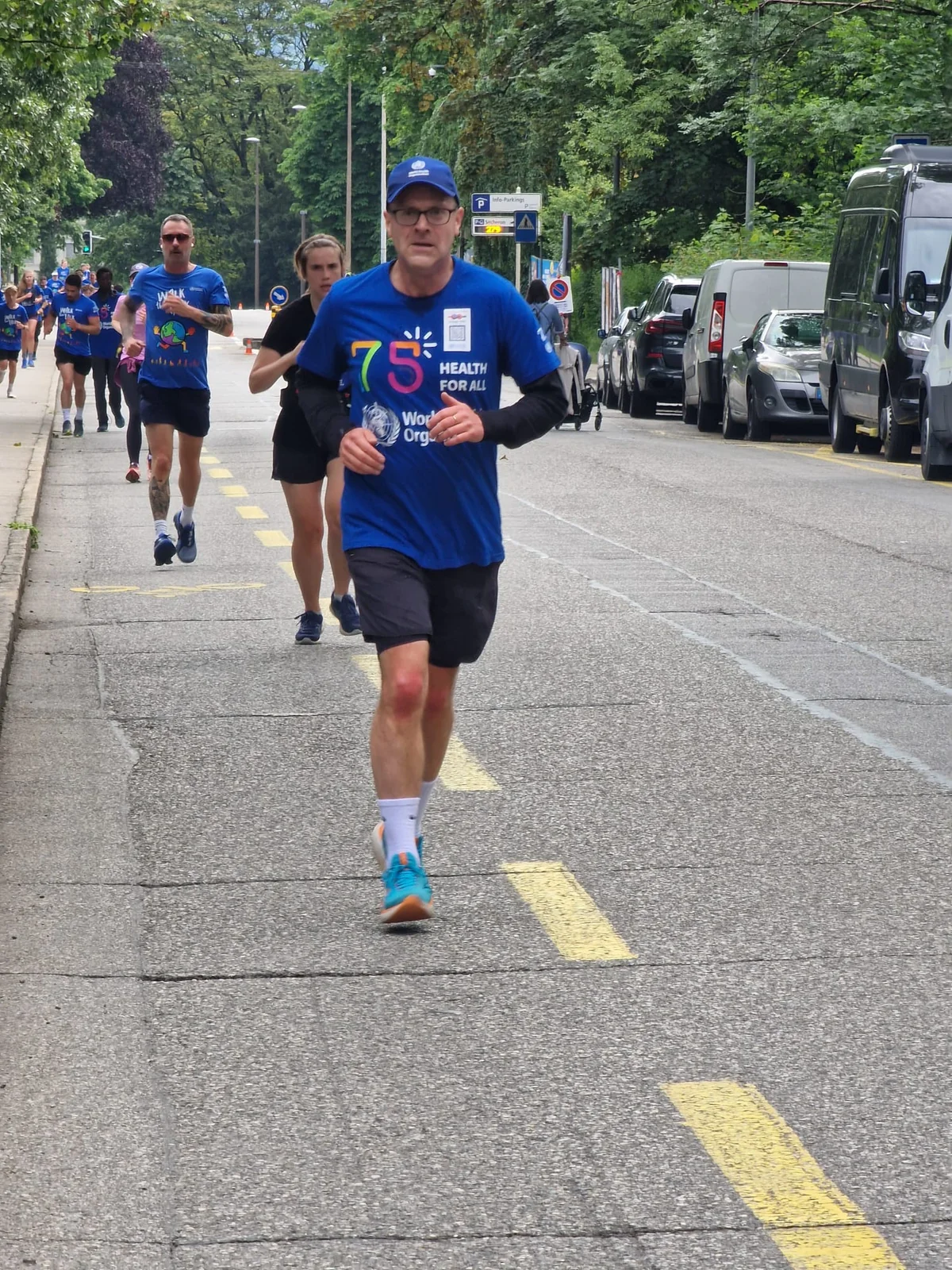
Dr Kluge participating in Walk the Talk in Geneva, 2024.
Dr. Hans Kluge, Walk the Talk Geneva 2024 @ Berdiyev
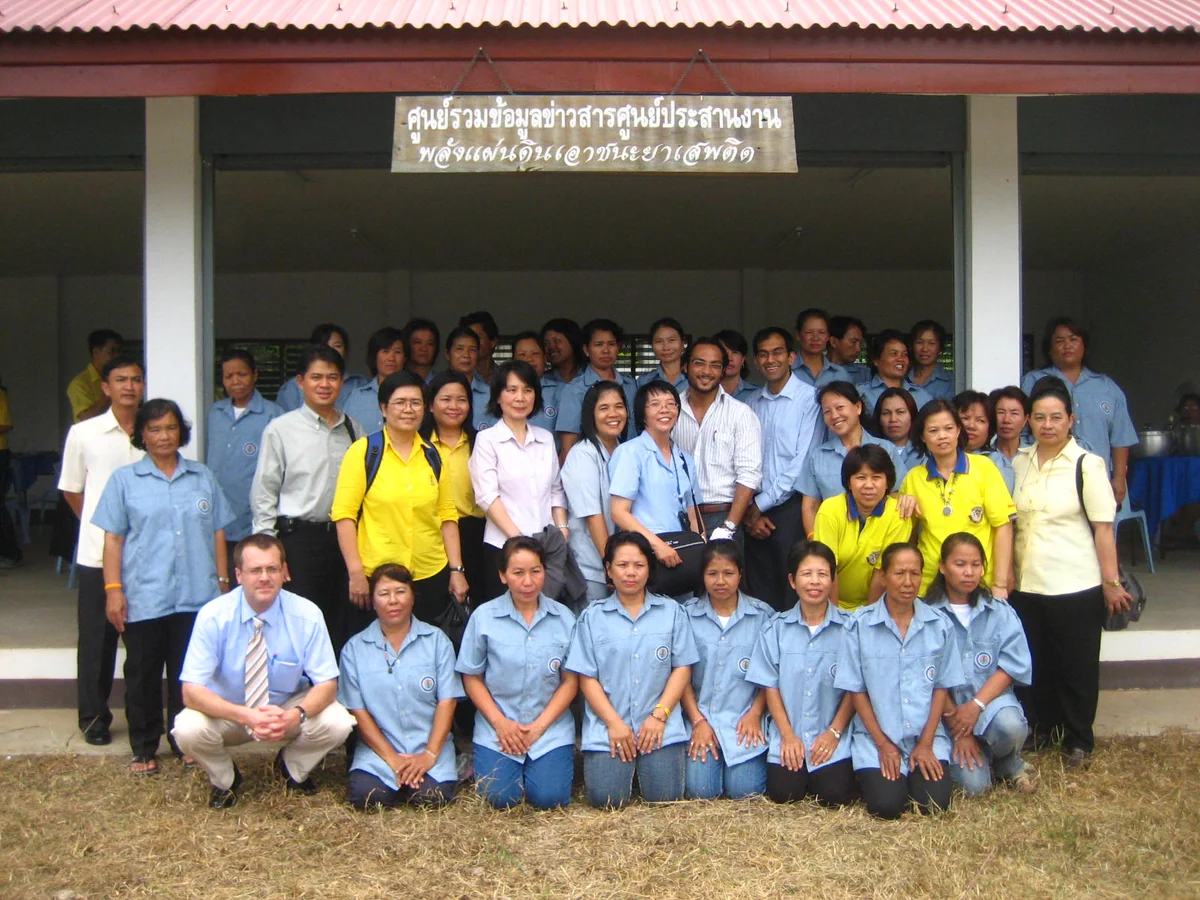
Group photograph from the national tuberculosis programme review in Thailand, 2007.
National TB programme review, Thailand 2007 @ NTP Thailand

PRIORITY 4. MAKE HEALTH SERVICES WORK FOR PEOPLE: UNIVERSAL HEALTH COVERAGE

By 2030, the world will face a shortage of approximately 11 million health workers, concentrated in the countries and communities that need them most. I will champion a focused health-workforce agenda that gives priority to nurses, midwives and community health workers, alongside stronger primary-care teams.

Together with the ILO, the OECD and other partners, WHO will support national workforce investment compacts: convening health, finance, education and labour authorities together with workers, training institutions, development banks and donors to agree on a small number of affordable, funded priorities.

Together with the World Bank, the Global Fund, Gavi and other partners, WHO will help countries to strengthen dialogue between health and finance authorities, to support reforms in coverage policies, budgeting, strategic purchasing and provider payment, and to navigate the transition from external assistance to domestic financing.

A Call To Member States

Rebuilding WHO Together is ultimately not about institutions. It is about people. It is about a mother who survives childbirth. It is about children who reach their 5th birthday. It is about the elderly person who can age with dignity. It is about the family that is not pushed into poverty after someone falls ill.

This manifesto is my invitation to our Member States and partners. Together, we can rebuild a WHO that is a more focused, more agile and more trusted organization — one that respects national ownership supported by multilateralism and one that humbly works with partners to better serve countries and their people. Towards health for all, everywhere.

Together, let us rebuild WHO.

Manifesto visual design by Sophia Kaizer